
Stories from the work.
No names. The owners trusted us with their companies, and with their privacy. What's here is how the work actually went, including the parts that didn't go to plan.

The handshake.
The owner of a manufacturing company had built it from nothing over thirty years. He'd agreed to sell it to two of his own employees for $6M.
His accountant asked us to take a look first. We valued it at no cost and told him $10M. He went ahead with the employees anyway. He was certain he knew what he had. His call.
Eighteen months later the employee deal had fallen apart and he called us back. The company had grown in the meantime, and this time he hired us.
We shot the video on site. He was a natural on camera. Answered every question on the first take, because he was a salesman, and that's how he'd built the company. He arrived with a list of buyers he was sure about. We added ours. Ninety confidentiality agreements went out. Thirty offers came back, and we shut the process down there.
It closed at $28M, all cash, with a buyer who already knew his industry.
He'd been ready to sell for $6M. He wasn't careless. He'd never sold a company before, and nobody had told him what his was worth.
Outcomes are specific to that engagement and aren't representative of any other.
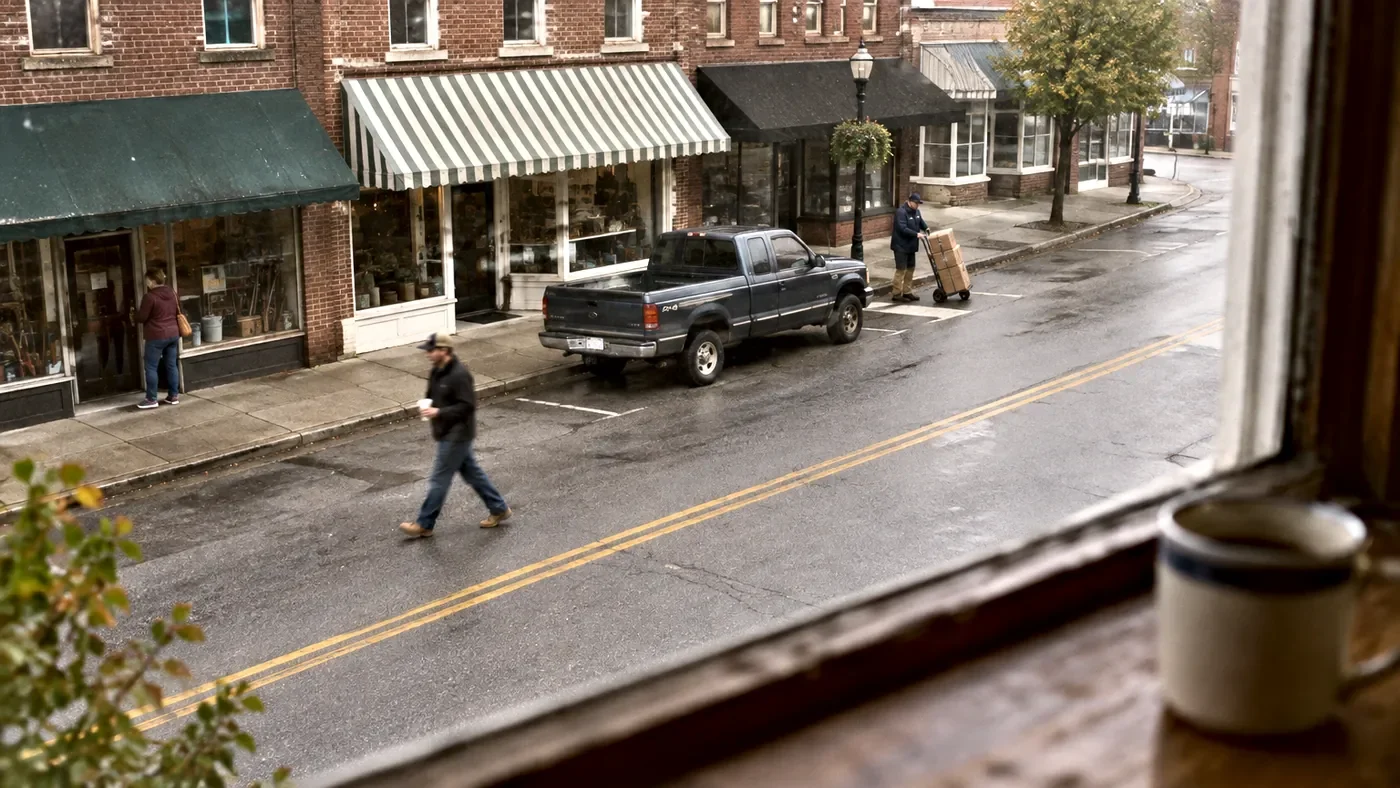
Four tries. One closing.
It started on the other side of the table. We represented a buyer who came in deliberately low on a mechanical contractor, and the owners rightly walked away. A year later we went back to them, and they hired us to sell.
The company had two things buyers worry about: a union shop, and well over half its revenue from one customer. We put both on the table early, with the case for why neither should scare a serious buyer.
Eight offers came back.
The highest bidder couldn't raise the money, and wasn't straight with us in diligence. The second hired a bank that couldn't fund the deal, then started trying to renegotiate. We told the owners to kill it and change horses. The third bidder had already been passed over twice. We went back to him, hat in hand, and he closed. Four tries, counting the first time around.
The owners called it Groundhog Day: the same financial work, month after month. We were still negotiating the morning it closed. It took us three days to recover.
A good offer is only worth what the buyer can actually close. An intermediary who'll kill a bad deal is worth more than one who needs any deal.
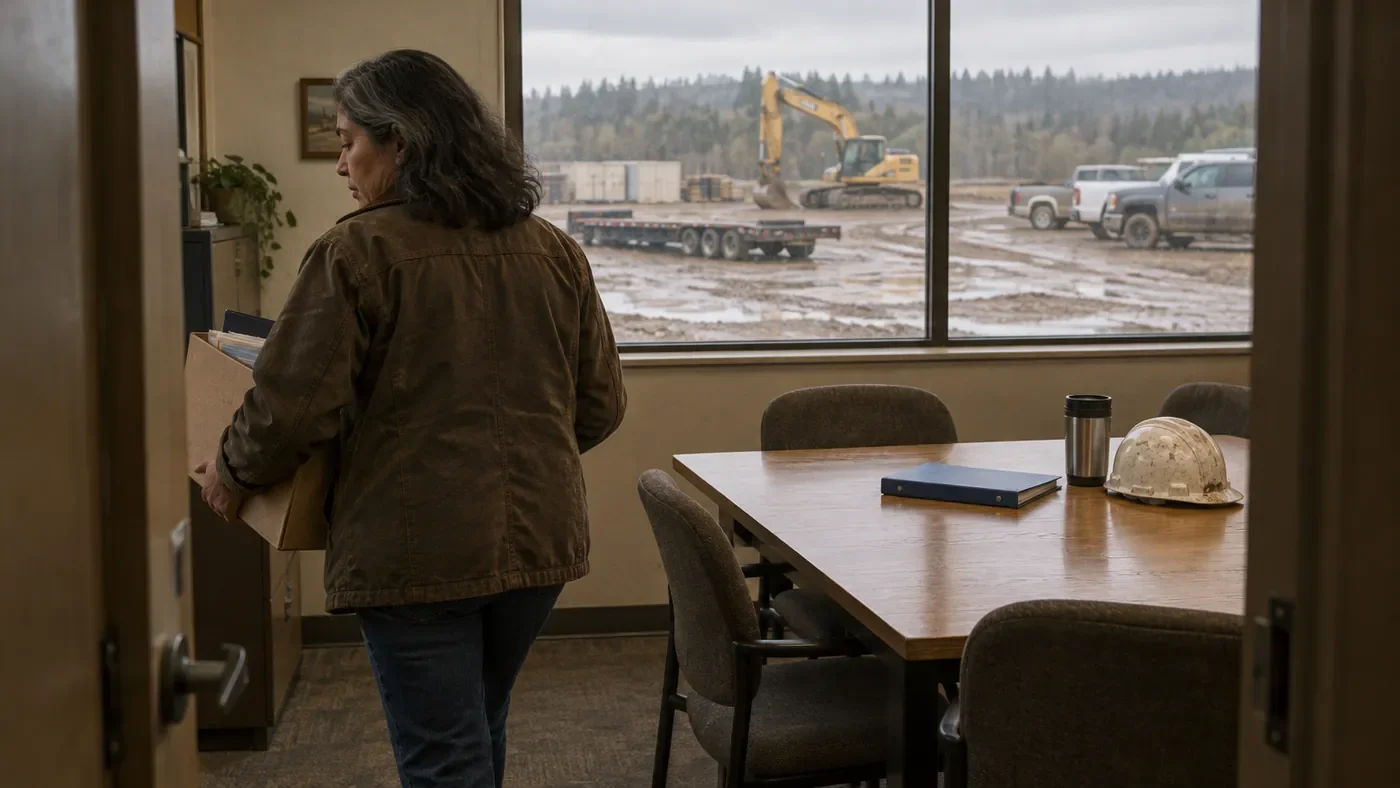
They never once complained.
We asked a seller to commission an equipment appraisal, a real estate appraisal, a Phase I environmental study and a quality of earnings analysis before going to market. By closing the bill was well past what any of us expected.
They never once complained, because they could see what it bought them: a buyer with no surprises to reprice on. We covered half the quality of earnings at closing, and more than our agreement required, because the number had grown.
It's the clearest example we have of documentation doing the negotiating for you.
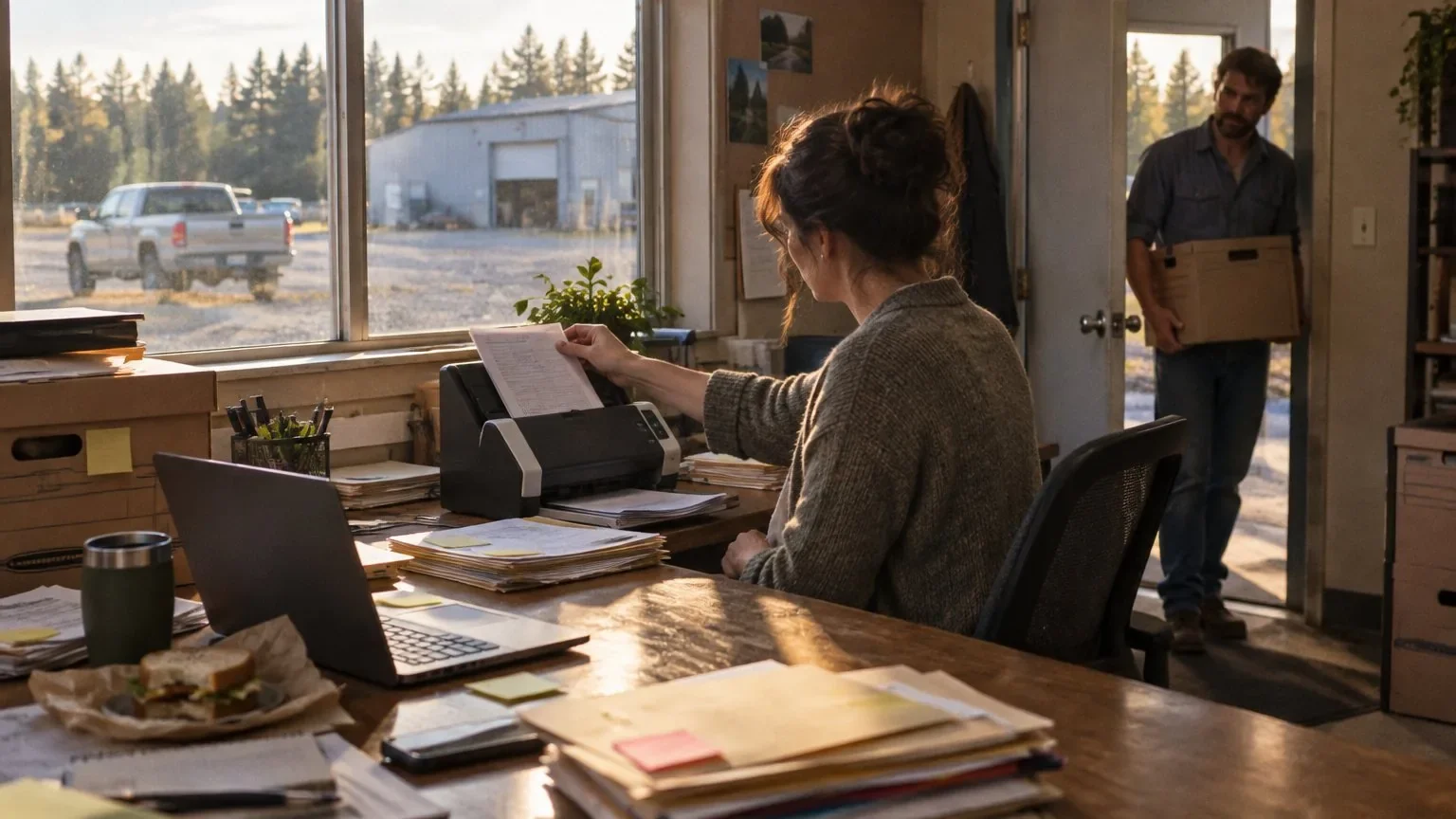
He figured weeks. It took two days.
A shareholder in a refrigeration company, an engineer, was handed the buyer's due diligence list. Page after page of it. Every time he looked at it, it was the worst thing that had ever happened to him.
We sent someone out with a high-speed scanner, at our cost. She finished it in two days. He'd figured weeks, and that he'd never get to the end.
Time kills deals. To win the point, you have to get the ball back over the net.
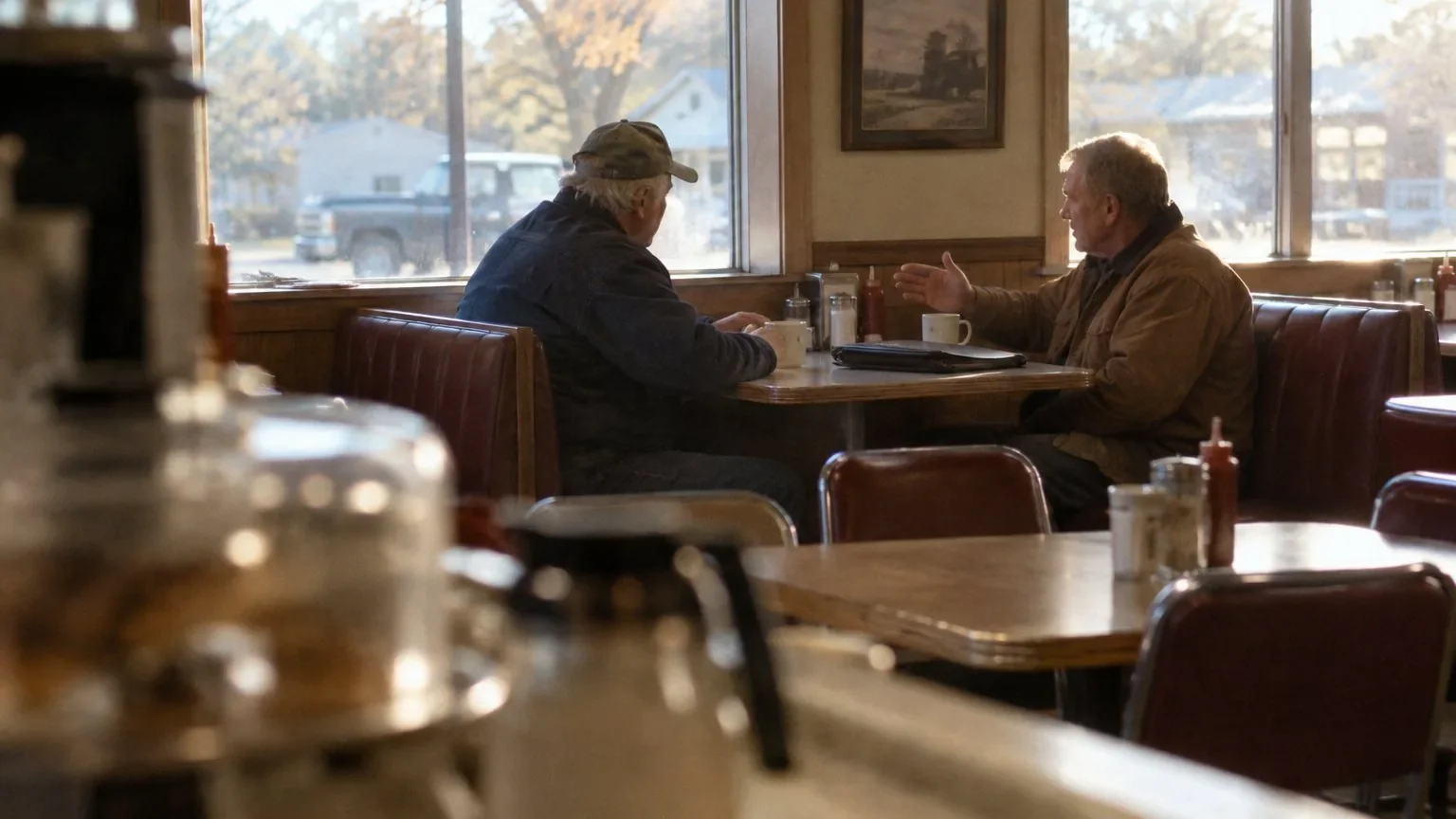
He took the smaller offer.
An owner selling a fuel distribution business had two offers in front of him. One was bigger, with terms. The other was smaller, all cash, from a buyer he knew and trusted and wanted to keep working with.
He took the smaller one. Both sides were happy.
It's not unusual for a seller to care as much about things other than price. The buyer, the terms, what happens to his people, whether he can look the other man in the eye.
Getting the highest number isn't the whole job. Getting the right deal is.
Every one of these started with a phone call.
Yours can start the same way. Ten minutes, and a person on the other end.
615-300-3785 Tap to call or textCall or text Jim · jvarallo@whitehorse-partners.com
Or get your free valuation